
Re-Upholstery vs Replacement: Cost-Benefit Analysis for UK Estates and FM Teams
- Raphaël Ceillier
- Jan 1
- 3 min read

In facilities management and estate maintenance, the choice between replacing or re-upholstering furniture can greatly affect budgets and aesthetics. This decision is especially crucial for those working in education and commercial spaces. From my experience, re-upholstering furniture often proves to be a wise investment. This post will dive into the costs associated with re-upholstery and replacement, offering insights on return on investment (ROI) and budget planning tips specifically designed for estates and facilities management teams in the UK.

Understanding the Costs
When furniture begins to show wear, the first instinct may be to replace it. However, the costs can be staggering, particularly for new furnishings. For example, a new office chair typically ranges from £250 to £500, depending on its quality and style. By contrast, the cost of re-upholstering that same chair may fall between £150 and £350.
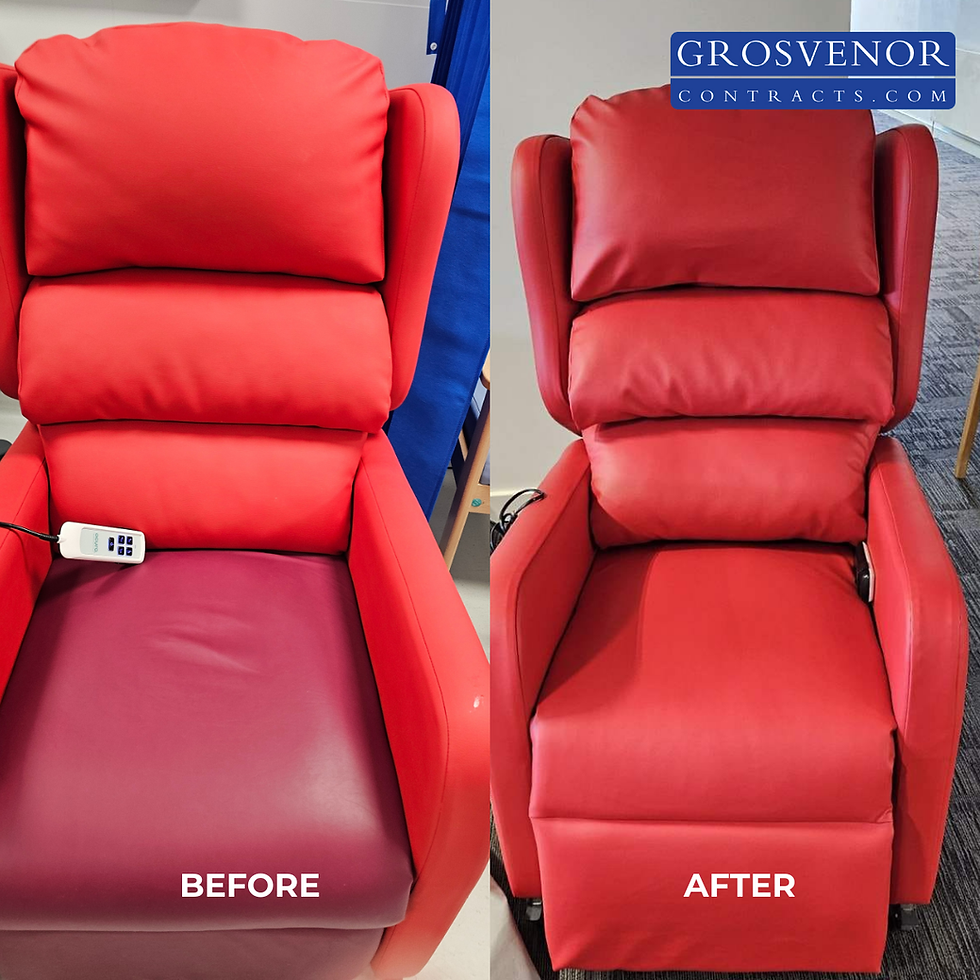
This significant cost difference underscores the savings potential of re-upholstery. Not only can it help preserve existing furniture, but it also allows you to refresh the ambiance of a space at a fraction of the price of new purchases. For institutions with tight budgets, such savings can be instrumental.
Return on Investment (ROI) Examples
Let's examine the ROI of re-upholstery through a practical example. Suppose a school has 50 chairs that are structurally sound but feature aging fabric. If the school opts for replacement at an average cost of £300 each, the total cost would be a staggering £15,000.
In comparison, re-upholstering those chairs at an average of £100 each results in a total expenditure of just £5,000. This decision not only saves £10,000 but also prolongs the furniture's lifespan, an important consideration for any educational institution’s budget planning.
Furthermore, many institutions report that re-upholstered furniture can last an additional 5 to 10 years, enhancing the ROI considerably. This additional lifespan translates to reduced long-term costs, as it delays the necessity for further replacements.
Budget Planning Tips
Effective budget planning is vital for estates and facilities management teams. Here are several actionable tips to inform your decision between re-upholstery and replacement:
Assess the Condition: Begin by evaluating the structural integrity of furniture. If it remains sturdy, re-upholstery is typically a feasible choice.
Calculate Long-Term Costs: Consider the prolonged costs involved with both options. Re-upholstery can extend furniture life, minimising the frequency of replacements.
Explore Fabric Options: When re-upholstering, select durable fabrics that can withstand heavy use, particularly in high-traffic areas. This selection can significantly enhance your ROI.
Get Multiple Quotes: It’s wise to compare quotes from various re-upholstery services to ensure you receive the best value without sacrificing quality.
Plan for Aesthetics: Re-upholstery opens the door to customisation. Choose fabrics that reflect your institution’s branding or desired look, which can increase overall satisfaction and unity in the environment.
Final Thoughts
In summary, re-upholstery offers a strong case for estates and facilities management teams across the UK, especially in the education and commercial sectors. Understanding the cost benefits and ROI tied to re-upholstering versus replacing furniture enables teams to make informed choices. These decisions can lead to significant savings while also enhancing the visual appeal of their spaces.
As budget constraints and quality considerations persist, re-upholstery remains a smart and practical investment. At Grosvenor Contracts, we recognise the importance of preserving quality while remaining budget-conscious, making re-upholstery a valuable option for many institutions.


Comments